
PRP (Platelet Rich Plasma) is a well-studied treatment used in both medical and cosmetic settings across the world. It is derived from your own blood and has applications ranging from sports injuries to hair loss and skin concerns. In this post, we outline what PRP treatments are, how they work, and what the current evidence suggests about their potential benefits.
What are PRP treatments?
PRP, Platelet Rich Plasma, has been used clinically for a number of years and is regarded as a well-studied option for a range of conditions. The treatment uses your own blood to deliver growth factors and platelets to target areas, which is one of its distinguishing features.
PRP requires no surgery, no synthetic chemicals, and no pharmaceutical medication, and involves minimal recovery time for most patients.
PRP treatments have applications in:
- Sports injuries — including tendon, ligament, and muscle conditions
- Osteoarthritis
- Hair loss and hair thinning
- Skin rejuvenation
- Post-surgery recovery support
What may PRP help with?
Sports injuries, tendon, ligament, and muscle conditions
PRP treatment is used for a range of musculoskeletal conditions, including tennis elbow. It may help support the healing process and shorten recovery time in some patients, though individual outcomes vary.
Osteoarthritis
PRP has been explored as an option for osteoarthritis. Research is ongoing, and some studies have reported improvements in joint comfort and function in certain patients. A consultation with a qualified practitioner is the appropriate step to assess suitability.
Hair loss
PRP can be used to address hair loss, hair thinning, stress-related hair loss, genetic hair loss, alopecia, and other hair conditions. The growth factors in PRP may help stimulate hair follicle activity in some patients. Results vary between individuals.
Skin rejuvenation
PRP may support skin rejuvenation by encouraging collagen and elastin production. It has been used to address signs of ageing, uneven skin tone, and skin texture concerns. As with all treatments, individual results vary.
Post-surgery recovery
PRP is sometimes used alongside post-surgical recovery protocols to support tissue repair. This includes some plastic, reconstructive, and musculoskeletal surgeries. Speak with your treating practitioner about whether this is appropriate for your situation.
How do PRP treatments work?
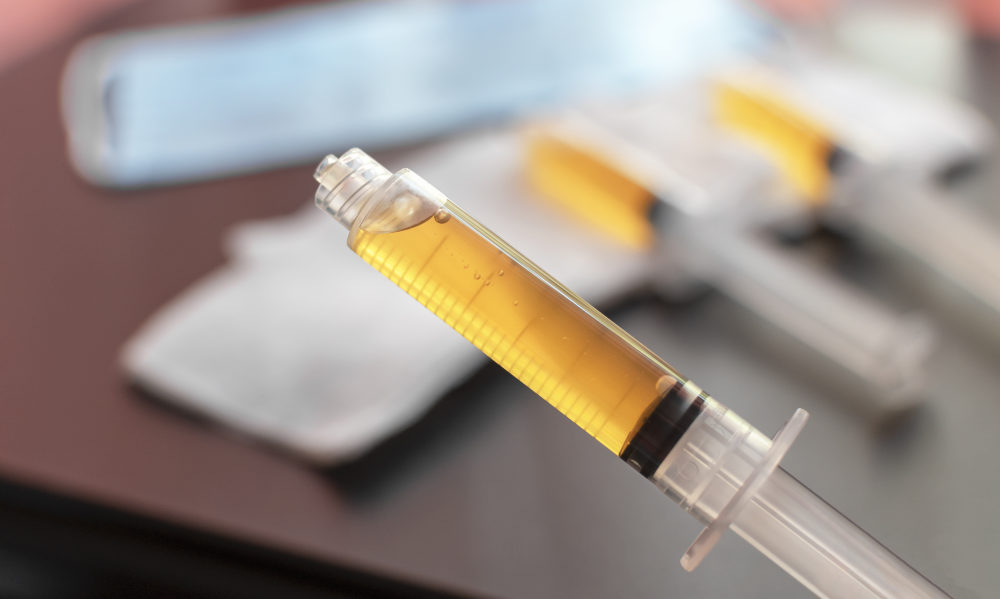
The process is straightforward. After making you comfortable, we draw a small amount of blood — similar to a blood test. The blood is placed in a medical centrifuge and spun at high speed to separate it into its constituent parts. We then draw the blood plasma and prepare it with a medical anticoagulant so it remains liquid during administration.
The solution is applied to the affected area using a microneedler — a handheld device with tiny needles that delivers the PRP under the skin with minimal discomfort. Following application, we use a red LED light on the treated area, which may help minimise the chance of infection and reduce redness.
Appointments last less than an hour for most patients.
Is PRP well-tolerated?
PRP is generally well-tolerated by most patients when performed by qualified practitioners. As the treatment uses your own blood, the risk of adverse reaction is lower than with treatments involving synthetic substances. However, as with any procedure involving injections, there remains a low risk of adverse reaction, and rare complications such as discomfort at the injection site, minor bruising, or infection are possible.
These risks are minimised when treatment is performed in a controlled clinical environment by trained practitioners. Your practitioner will discuss all relevant risks at consultation.
How long does recovery take?
One of the frequently cited advantages of PRP treatments is the minimal recovery time required for most patients. Cosmetic PRP typically requires little downtime, and many patients return to normal activities the same day. You will be advised to keep the treated area out of direct sunlight for a day or two and to keep it moisturised.
Your practitioner will provide specific aftercare instructions based on the type of treatment received.
How long do the effects last?
The effects of PRP treatments vary between patients. As everyone heals and regenerates at different rates, and because PRP outcomes are cumulative, it is not possible to provide a specific timeline without a consultation.
On average, some patients begin to notice changes within 4–6 weeks of commencing treatment. Positive effects may persist for up to 12–18 months in some patients, though this varies. Ongoing maintenance treatments are often recommended to support results over time. The specifics depend on your age, health, nutrition, lifestyle, and genetics.
PRP treatments at Hair and Skin Science
PRP is a well-studied, non-surgical option that uses your own blood as the treatment medium, requires no synthetic chemicals or pharmaceutical medication, and involves minimal recovery time for most patients. It can be used across a range of hair, skin, and musculoskeletal conditions.
To find out whether PRP is appropriate for your situation, contact Hair and Skin Science to arrange a consultation with our qualified team.